NewsProgramsGalleryTimelineAbout
Aids Prevention Initiative Nigeria

Workshop Reports
  Ethical Issues in Health Research Workshop

Abuja, Nigeria
December 3 - 7, 2001

Workshop Summary Report

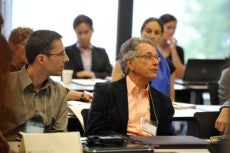
The AIDS Prevention Initiative in Nigeria (APIN) together with the Program on Ethical Issues in International Health Research at the Harvard School of Public Health, held a workshop entitled, "Ethical Issues in Health Research", on December 3-7, 2001, at the Rockview Hotel in Abuja. This workshop supported a central APIN milestone that includes the organization of training symposia designed to evaluate existing health systems and create new HIV/AIDS policies and programs. As more research is conducted in developing countries, ethical issues that reflect differences in cultures, politics, wealth, standards of care, individual and group rights, and priorities are surfacing with increasing frequency. The present ethical codes are not always sufficient for the broad new set of problems faced by those who fund international health research, members of Ethical Review Boards, government agencies, and researchers themselves.

The goal of this interactive workshop was to address current issues in Nigeria, anticipate potential future problems, and facilitate productive communication, using the combined talents of leaders in the field. Participants had the opportunity to compare experiences, receive expert advice, and voice their concerns in 4.5 days of lectures, case studies, and panel discussions. Recognizing that current guidelines are both subject to interpretation and likely to create conflict, the program encouraged candid comments, questions, and open critique of available materials.

The topics discussed centered on the ethics of research with human subjects - particularly issues related to HIV research, including informed consent, confidentiality, conflict of interest, investigator responsibilities to the study population, research in resource poor environments and the development of ethical review committees.

Over 60 Nigerian participants from 12 states and from a diversity of professional backgrounds, including health professionals from universities, research institutions, NGOs and government ministries, were actively engaged in the workshop’s general and subgroup discussions. The participants were a very highly motivated group with a wealth of experience in (and variety of perspectives on) dealing with real-life ethical dilemmas in their own research projects.

    Workshop Topics Day 1:

    Principles and Historical Particularities in Ethics of Human Subjects Research: Participants thought that this information was highly informative and the discussion that followed revealed how enthusiastic the participants were to be in the course. This section provided a good foundation for the rest of the workshop.

    International Declarations and Guidelines on Research with Human Subjects: Participants thought this session was very explanatory and enjoyable.

    Ethical Review Boards I – Guidelines: Some found this session to be thought provoking. For one participant, it showed the difference between ethical issues in research and ethics in the delivery of health services. One person thought the WHO should ensure that each country has a national Ethical Review Board.

    Case Study – Evaluating the Use of Traditional Medicines for Diarrhea & Testing an Ayurvedic Treatment for Malaria: Many thought this topic was applicable to issues in Nigeria. A discussion ensued on the dilemma of using traditional/herbal remedies vs. scientifically proven medicines.


    Workshop Topics Day 2:

    Informed Consent:
    Participants ascertained that the consent process should be understood culturally and should be voluntary.

    Standards of Care – Issues in HIV Research:
    Discussion focused on controversies in what should be universal standards of care related to the reality in the field.

    Confidentiality: Participants emphasized the difficulties of confidentiality in close-knit communities.

    Case Study – HIV Surveillance & Testing a Microbicide: A lively discussion developed on the roles of husbands and wives in the consent process. Deliberated practical problems in research such as cultural issues related to community and religion.


    Workshop Topics Day 3:

    Conflict of Interest: Some felt this issue has hampered progress in all sectors of life in Nigeria – education, health, economics, and social as seen in the country’s political and ethnic conflicts.

    Ethical Review Boards II- Monitoring and Evaluation: Many thought this section was helpful but still vague in the specific steps International Review Boards can take to monitor research projects.

    Issues in Reproductive Health: An inquiry focussed on Nigeria as a patriarchal society but some felt the issues of reproductive concerns involved both sexes, i.e., some males feel discriminated against.

    Obligations to the Community: The public good and sensitivity to the needs of the community are important but participants also found that poor communities have excessive demands and expectations.

    Case Study – Medical Researcher as Caregiver; Defining Obligations to Local and Professional Communities.


    Workshop Topics Day 4:

    Mock Ethical Review Board: Many encountered this exercise as exciting and educative.

    Scientific Misconduct: Participants found that in certain situations it is difficult to categorize misconduct, therefore adequate training of scientists about what constitutes misconduct is needed.

    Writing an Informed Consent Form: Participants thought this section to be very explanatory and practical and that a standard format would be useful.


    Workshop Topics Day 5:

    Writing an Informed Consent Form, cont…

    Case Study – Confidentiality and Credibility in Health Services Research: Exciting discussion developed although hard to resolve. Controversy exists between confidentiality and credibility.

    Research in Vulnerable Populations

Recommendations for the Future

The group was so motivated by the workshop that a draft set of Nigerian ethical guidelines for health research was produced during the meeting. Workshop organizers will continue to monitor and assist in the progress of this initiative. Organizers were also asked by some of the participants to consider conducting similar workshops in other areas of Nigeria. Over 76% of the participants rated the workshop as excellent and 24% as very good and all stated they would recommend it to their colleagues. Some individual comments proclaimed that the workshop was “a valuable program” and “there is a need for it to be disseminated”. Other recommendations included:

  1. Occasional training of this sort is highly recommended—maybe once a year, as this will go a long way to make us better scientists.
  2. This type of workshop should be organized about twice a year in association with the Nigerian Medical Council and federal and state ministries of health to achieve wider dissemination
  3. Take workshop to the state level.
  4. Add medical ethics to medical school curriculum.
  5. Copy of materials should be sent to hospitals and universities.
  6. Run course for key members of local IRBs nominated by various institutions.
  7. Involve non-researchers, government, and policy-makers.
  8. Involve other sectors of medicine.
  9. Conduct another workshop at the launching of the Nigeria Ethical Guidelines for Research
 
For More Information: AIDS Prevention Initiative in Nigeria
Harvard School of Public Health, 651 Huntington Avenue, Boston MA 02115 USA
Tel: +617-432-3297 Fax: +617-432-3298 Email:
apin@hsph.harvard.edu